
Emergence of Open-Source Alternatives to Major Software Suites Challenges Industry Giants
Why open-source clones of Adobe and Microsoft are trending in news searches
Something unusual has rippled through the tech and creative communities this week. A developer named Brandon Thomas and a small group around him have released a suite of free, open-source applications that aim to replicate major commercial tools: image editing like Photoshop, video editing like Premiere, and office software like Word and Excel. The reportage is emphatic because this is not just another hobby project. Journalists and commentators are treating it as a potential inflection point for how people access and pay for essential software.
The responses are messy and mixed. Some coverage views the work as a kind of protest against subscription pricing. For example Mashable reported that "Supporters view Thomas's project as a protest against subscription tactics employed by large software companies." At the same time other pieces focus on safety, legal and quality concerns. Taken together the reporting shows why people are searching for answers: they want to know if this is a genuine alternative, a legal problem, or a security risk. They are looking for reliable context, not hype.
For leaders in marketing, communications and product strategy this matters because software is infrastructure for creativity and operations. If a widely adopted free alternative can match user expectations, that shifts procurement conversations, budgets and the value exchange between vendors and customers. That is why this story has legs beyond developer forums and subreddits. It intersects with trust, ethics, jobs and how technology gets distributed.
What Brandon Thomas built and how reporters described its scope
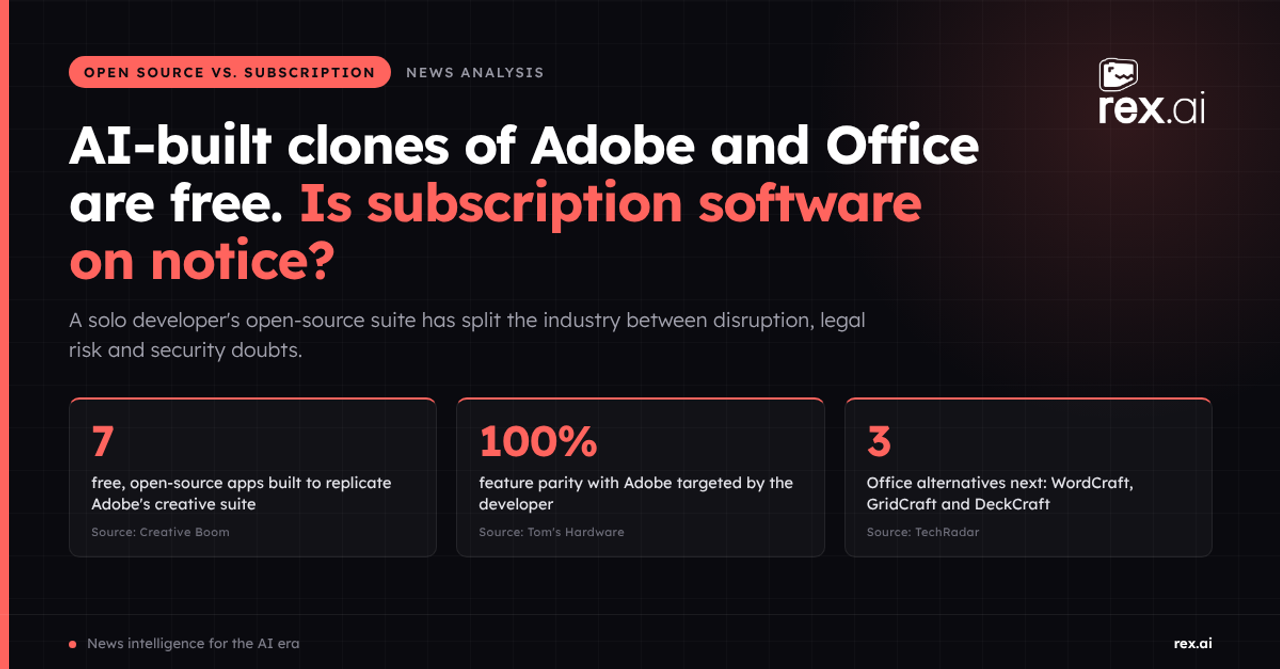
Reporters describe a broad and ambitious set of applications, collectively branded in the press as ArtCraft or GetArtCraft, and in some accounts produced by a solo developer using AI assistance. The suite is said to include apps with names like PhotoCraft for image editing and WordCraft, DeckCraft and GridCraft as office-type tools. Creativeboom captured the tone of the project when it reported that "Brandon Thomas launched a suite of seven free, open-source apps that replicate Adobe's software."
There are technical details worth noting from the coverage. Several outlets point out that much of the work is written in Rust, and that AI models were used at stages to accelerate development. ZDNET described PhotoCraft as a reverse-engineered Photoshop alternative written in Rust and available for Linux, macOS and Windows. Tom's Hardware noted the developer is targeting what reporters call "100 percent parity" with Adobe's features within an aggressive timeframe.
Those are strong claims. From a practical point of view a project that attempts to match decades of feature development in a few weeks raises obvious questions. Still, the reporting is unanimous on one point: the move is bold and it has prompted a wide conversation about whether paid software vendors can or should continue to rely on subscription models as their default monetization strategy.
Why users and advocates are calling this a protest against subscription pricing
Part of the media narrative treats the project as more than code. Commentators see it as a response to what many customers experience as high and rising subscription costs for creative tools. Mashable reported that supporters present Thomas's work as a protest against subscription tactics, and Creativeboom framed it as a Napster-like moment for design software.
That language is loaded. Napster changed an industry by revealing demand for different access models. If users find a free alternative that is reliable, accessible and community-driven, companies with subscription models will have to answer. This is not necessarily a call to eliminate revenue, but it is a demand to rethink value exchange. Customers will ask for clearer benefits, better support, or pricing that matches the perceived value and fairness of the vendor relationship.
For communicators and marketers this is a signal. When users frame technology choices as moral or economic statements, brand positioning and community engagement matter. Messaging that ignores user pain points around cost and control risks sounding tone deaf. There is a window for alternative vendors to present honest, practical value—faster performance, better user experience, more control—rather than defensive headlines.
Why legal and security concerns are central to the debate
Not everyone is celebratory. Several articles flagged copyright, safety and security questions. Tom's Hardware and other outlets relayed comments about potential legal exposure and the possibility that AI-generated code could contain vulnerabilities.
Some reports noted that posts and discussions have been removed from sections of Reddit because of community moderation, reflecting the delicate balance between sharing and platform rules. Mashable recorded that "Concerns about cybersecurity and ethics have led to some posts about these apps being removed from subreddits."
Meanwhile there are differing claims about the development process. Supporters point to a clean-room reimplementation approach to avoid copying Adobe's source code. Critics worry that even clean-room code could mirror proprietary innovations too closely or introduce supply-chain risks if rushed. One reason these stories grab attention is that legal disputes could set important precedents about AI-assisted reverse engineering and the limits of reimplementation.
How quality and user experience are being evaluated in early tests
Beyond legality, the practical question is simple: is the software actually usable? Early testing reports show interesting promise. ZDNET reported that PhotoCraft opens quickly and performs well on several core tasks, writing that "Ho-lee-cow, did this thing open fast. I have never in my life seen a full-blown image editor open so quickly," quoting its reviewer.
ZDNET also noted PhotoCraft offers native packaging options for Linux such as DEB, RPM, Flatpak and AppImage. Importantly, the piece reported that PhotoCraft can automatically select subjects and in some tests performed better than Photoshop at that task. Those are specific, verifiable observations and they matter. A free alternative is only disruptive if it offers not just parity in features but also reliability in everyday workflows.
At the same time, other coverage flagged missing features or early-stage rough edges. Subscription tiers were mentioned in some pieces as a path to unlock AI features or other paid services in otherwise free apps. That hybrid model is not unusual in open-source ecosystems, but it changes the narrative from an uncompromisingly free alternative to a layered product strategy where revenue helps sustain maintenance and development.
What the emergence of these projects implies for jobs and the developer community
The conversation also touches employment and community dynamics. Headlines warned that rapid automation or AI-assisted development can raise anxieties about job displacement in certain technical roles. TechRadar quoted the developer criticising older open-source alternatives and noted mixed reactions about the potential impact on jobs.
At the same time the open-source model thrives on community contribution. If these projects attract a large contributor base, they could create new forms of collaboration and new roles: maintainers, documentation leads, security auditors and localization contributors. The question becomes one of governance as well as code quality. Who will steward these projects? How will security and copyright risk be managed across a decentralized contributor base? These are operational questions that bear directly on trust and long-term viability.
What this shift means for people who manage brand reputation and content
For CMOs, heads of marketing and brand directors there is a practical line to draw from code to communications. When new tools disrupt the market, conversation moves quickly across social channels, news sites and industry forums. Brands can either react with canned PR or join the conversation in helpful ways.
If your organisation needs to be part of the discussion, the value is in context, not noise. Offer insights about how your teams evaluate tools for security and vendor reliability. Share meaningful case studies about productivity and cost management. And be honest. Conversations around software are increasingly moral and economic. Audiences appreciate clarity about procurement decisions, data protection and accessibility.
This is where tools that map media narratives become useful. At rex.ai we believe in ethical and transparent analysis of media coverage. Our approach aims to surface multiple perspectives so communicators can see where narratives are converging and where they are polarized. If you want to follow the conversation with structured intelligence, consider exploring rexnova, which automates the grouping of related news and generates publication-ready content aligned to your messaging house and SEO needs.
How ethical AI principles connect to debates over reimplementation and attribution
One thread running through the reportage is ethics. That includes two different but related concerns. The first is the ethics of the development process: is it right to use AI models to reconstruct proprietary functionality? The second is the ethics of distribution: who benefits and who is harmed by rapid, free releases?
Reporting shows that supporters frame this as a democratization of technology, while critics point to potential legal or safety harms. Mashable and Tom's Hardware both highlighted claims and counterclaims about whether the work counts as clean-room reimplementation.
From a principled perspective, the responsible path combines several elements: transparent attribution, clear licensing, and security auditing. That is our view at rex.ai: technology should support human creators and respect the work that produced original value. We do not republish whole articles and we attach transparent attribution to any summaries we create. That same ethic applies here. If open-source projects want to win public trust they need to be explicit about provenance, legal reasoning and security practices.
Three practical steps communications leaders can take right now
If you are a communications leader wondering how to act, here are three pragmatic moves that do not require technical deep dives.
1) Watch, but do not panic. Monitor coverage and community reaction across credible outlets. The initial wave of reporting is high on signal and high on emotion. Track who is saying what and why. Use sources like ZDNET and Mashable for early practical tests, and deeper analysis pieces like Tom's Hardware for legal framing.
2) Prepare clear comms about procurement and risk posture. Whether you are defending a vendor relationship or considering alternatives, be ready to explain how you evaluate security, licensing, and continuity. If your organisation becomes a user or contributor, document the governance model and compliance requirements.
3) Join the conversation with help. If you need to publish thought leadership or timely commentary that connects your brand to the discussion without misrepresenting facts, consider a measured, evidence-based piece. Tools that aggregate multiple outlets and capture diverse perspectives can speed that work while keeping it honest. If you want a practical example of this capability, see how rexnova groups stories and produces publishable content aligned with brand voice and SEO goals. For direct outreach, you can contact the team at nova@rex.ai or see our announcement on LinkedIn.
Why this moment highlights a broader shift in how we should think about media and technology
Beyond the immediate questions about parity, licensing and adoption, this story surfaces a deeper shift. The tools and ecosystems we rely on are no longer purely technical. They are social and political. Pricing models, community governance and ethical use of AI are as much part of product design as the code itself.
That is why people in marketing and communications must be fluent not only in messaging but in the data that informs public opinion. Being able to show how narratives form across outlets, what voices are amplified and where bias or framing differ is valuable. It is one of the core promises behind News Media Intelligence. At rex.ai we frame our work around transparency, attribution and ethical use of public news to produce structured insights for decision makers. If you are evaluating how to join a public conversation about technology disruption, start by understanding the landscape of coverage and the frames being used.
What the likely consequences are for companies like Adobe and Microsoft
We cannot predict legal outcomes. But reporting suggests two plausible impacts in the near term.
First, companies may feel commercial pressure to justify subscription models by improving perceived value. If users can get workable alternatives for free, incumbents will need to be clearer about the productivity and support advantages they offer.
Second, there may be a legal and policy response. If the open-source projects scale and gain users, the larger companies that own the original IP will have to decide whether to litigate, negotiate, or evolve their licensing and community engagement approaches. Litigation could be costly and precedent-setting. For example, pieces like Tom's Hardware cited both piracy accusations and claims of clean-room reimplementation without using Adobe source code. Whatever path is chosen, the outcomes will influence how AI-assisted development is treated in court and in policy debates.
How to keep public discussion human and constructive amid hype
My final note is simple and practical. Stories like this attract extremes: exuberant celebration on one side and alarmist fear on the other. Both are useful signals but neither replaces careful assessment.
If you are a leader, your job in moments like this is to steady the conversation. Acknowledge user frustrations about cost and accessibility. Acknowledge the legitimate concerns about security and intellectual property. Offer a measured plan for evaluation and communicate it simply. That will keep stakeholders feeling informed rather than reactive.
And if you need support turning coverage into thoughtful, brand-aligned content, remember that timely, transparent and sourced material matters. That is what we try to deliver at rex.ai and specifically with rexnova, which is designed to help teams research, ideate and create content based on grouped news stories with clear attribution and SEO optimization.
Questions people ask
Q: Who built these open-source Adobe and Office alternatives?
A: Multiple outlets report that a developer named Brandon Thomas is the central figure behind the ArtCraft or GetArtCraft projects. Creativeboom and Mashable provide profiles and context.
Q: Are these projects legal?
A: The legal position is contested in public reporting. Some articles report supporters saying the work is a clean-room reimplementation while critics warn about copyright risks. Tom's Hardware discusses the mixed claims. Ultimately only a court or a clear licensing statement will provide definitive legal clarity.
Q: Are these tools actually good enough to replace paid software?
A: Early reports show promising performance in certain areas. ZDNET reported that PhotoCraft opened quickly and performed well in subject selection tests. However, other outlets note missing features or rough edges. The short answer is: for some users and specific tasks, they may be viable. Broad enterprise adoption would require security audits, support guarantees and proof of long-term maintenance.
Q: Does this mean subscription software is dead?
A: Not necessarily. Journalists liken the situation to disruptive moments like Napster, where consumer behaviour changed but new business models eventually evolved. Companies may respond by improving offerings, changing pricing, or engaging communities more directly. For now this story is a catalyst, not an inevitability.
Q: What should my communications team do if our brand is mentioned in this context?
A: Keep calm and be factual. Monitor reputable coverage, prepare clear explanations of your procurement and security posture, and contribute to the conversation with transparent, evidence-based content. If you need help producing credible, SEO-optimized commentary quickly, explore tools built for that workflow like rexnova, or contact the team via nova@rex.ai for a discussion about how to scale timely content without sacrificing attribution and ethics.
Q: Where can I read the original reporting?
A: Key pieces include reporting from Mashable, ZDNET, Tom's Hardware, Creativeboom, and TechRadar.
If you would like help turning this evolving story into a thoughtful, attributed piece that reflects your brand voice and strategy, our team at rex.ai is available to consult. You can explore rexnova for automated news grouping and generation, or reach out directly at nova@rex.ai for a conversation about how to respond in ways that are timely, ethical and aligned with your organisation's priorities.
Resources
https://mashable.com/tech/adobe-creative-suite-clone-app-maker-takes-on-microsoft-office
The article discusses Brandon Thomas's project, ArtCraft, which aims to replicate Adobe Creative Suite and Microsoft Office applications using AI technology and Rust programming. His apps, including PhotoCraft, WordCraft, and others, are designed as free, open-source alternatives to costly legacy software, sparking debates about the implications of AI-generated code and cybersecurity. While some view Thomas's work as a protest against perceived exploitative subscription models, critics raise ethical concerns about his approach. The article poses questions about the future relevance of paid software in light of this new wave of AI-driven tools.
https://zdnet.com/tech/free-photoshop-clone-alternative-linux-photocraft
The article presents an overview of PhotoCraft, a reverse-engineered, open-source alternative to Adobe Photoshop for Linux and other operating systems. Developed by a team at GetArtCraft, this application aims to provide a near-identical experience to Photoshop, both in terms of user interface and tool functionality. Despite being in early development, PhotoCraft shows promise by allowing for quick installations and impressive performance, such as faster opening times compared to Photoshop. While the free version lacks some features, like built-in AI tools, subscription options are available for those wanting to enhance their experience with additional capabilities. Overall, the development of PhotoCraft signals a significant milestone for Linux users who have long awaited a viable Photoshop alternative.
https://tomshardware.com/software/video-editing-graphic-design/solo-developer-rebuilds-adobe-creative-suite-in-rust-using-claude-releases-it-free-to-all-targets-100-percent-parity-in-one-month-despite-piracy-claims-and-safety-warnings
The article discusses a controversial initiative by a Reddit user, known as u/ai_art_is_art, who has developed an open-source suite of creative software alternatives to Adobe's products. This suite, created using the Rust programming language and AI-driven tools, aims for '100% parity' with popular Adobe applications like Photoshop and Premiere, all while being available for free download. While the goal is to unify the experience across different creative tools, critiques arise regarding safety concerns associated with rapidly developed AI-generated code and allegations of potential copyright infringement. The community is divided—some laud the effort as a needed alternative to Adobe's often criticized business practices, while others warn of the legal and security risks involved. Nevertheless, the developer's ambition to create an integrated suite could present a significant challenge to Adobe's long-standing market dominance.
https://creativeboom.com/news/ai-just-cloned-adobes-apps-for-free-is-this-design-softwares-napster-moment
The article discusses the recent emergence of ArtCraft, a suite of seven free, open-source creative applications that replicate Adobe's flagship software such as Photoshop, Illustrator, and Premiere. Developed by Brandon Thomas using AI technology from Anthropic, the apps are seen as a potential disruptor in the design software industry, reminiscent of Napster's impact on the music industry. The piece reflects on the rising dissatisfaction among consumers regarding subscription models for software and suggests that software developers might face significant challenges ahead. Thomas expresses a bold vision of a future dominated by open-source solutions and directly challenges the high-cost business model of established tech giants like Adobe.
https://techradar.com/computing/office-suites/developer-who-vibe-coded-free-adobe-clones-reveals-apps-to-take-down-microsoft-office-next-and-says-there-is-no-reason-to-save-broken-software
The article discusses the emergence of open-source alternatives to Microsoft Office applications—Word, Excel, and PowerPoint—developed by Brandon Thomas, who previously cloned Adobe Creative Cloud apps. These new applications, named WordCraft, GridCraft, and DeckCraft, aim to provide free alternatives to proprietary software, though they are not as fully developed as Thomas's earlier Adobe clones. Thomas critiques existing open-source software like GIMP and LibreOffice, claiming they are 'broken'. The developer's approach has sparked divided opinions, with some praising the innovations and others concerned about the potential impact on jobs and software quality. The article reflects on the broader implications for major software companies and the future of free software.
Our tool
Our tool
Related articles
User Backlash Grows Against Google's AI Integration in Search Engines
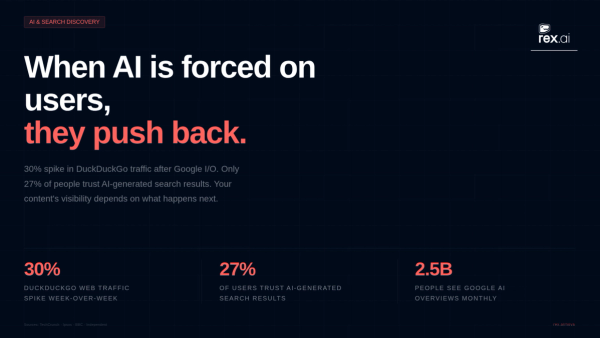
Google's AI-first search push sent users to DuckDuckGo. What the backlash means for publishers, trust, and how your content stays discoverable and cited.
Google Just Got Told It Can't Have Your Content for Free.
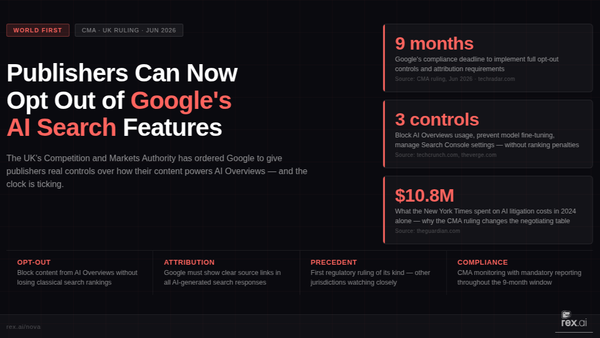
Last week the UK’s Competition and Markets Authority (CMA) issued a ruling that, in plain terms, gives online publishers a new degree of control over how their content is used.
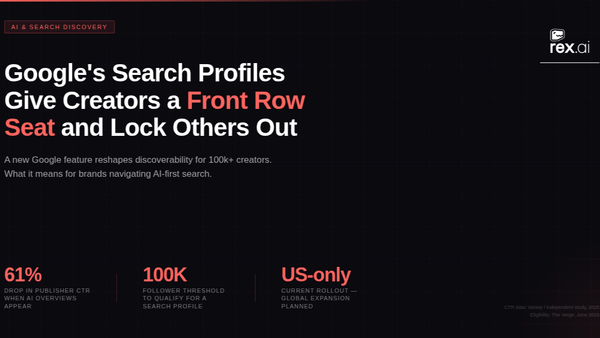
Google Launches Search Profiles for Creators and Publishers
Google has introduced a new feature called Search profiles that gives creators and publishers a dedicated, shareable page inside Google Search.